How can a Podiatrist make my life better?
- Josephine Smith
- SimplyFeet News
- 28 Sept 2026 views

International Podiatry Day: How Can a Podiatrist Help You?
Every year on 8 October, International Podiatry Day celebrates the important contribution podiatrists make to our health, mobility and quality of life.
Most of us know when to visit a dentist or optician, but we may be less certain about when to seek professional help for our feet. Foot pain and other problems can affect our ability to work, exercise and enjoy everyday activities. However, many foot conditions can be treated or managed with the right professional advice.
International Podiatry Day is an ideal opportunity to learn more about podiatry, the conditions podiatrists treat and how they help keep people healthy, comfortable and active.
What is Podiatry?
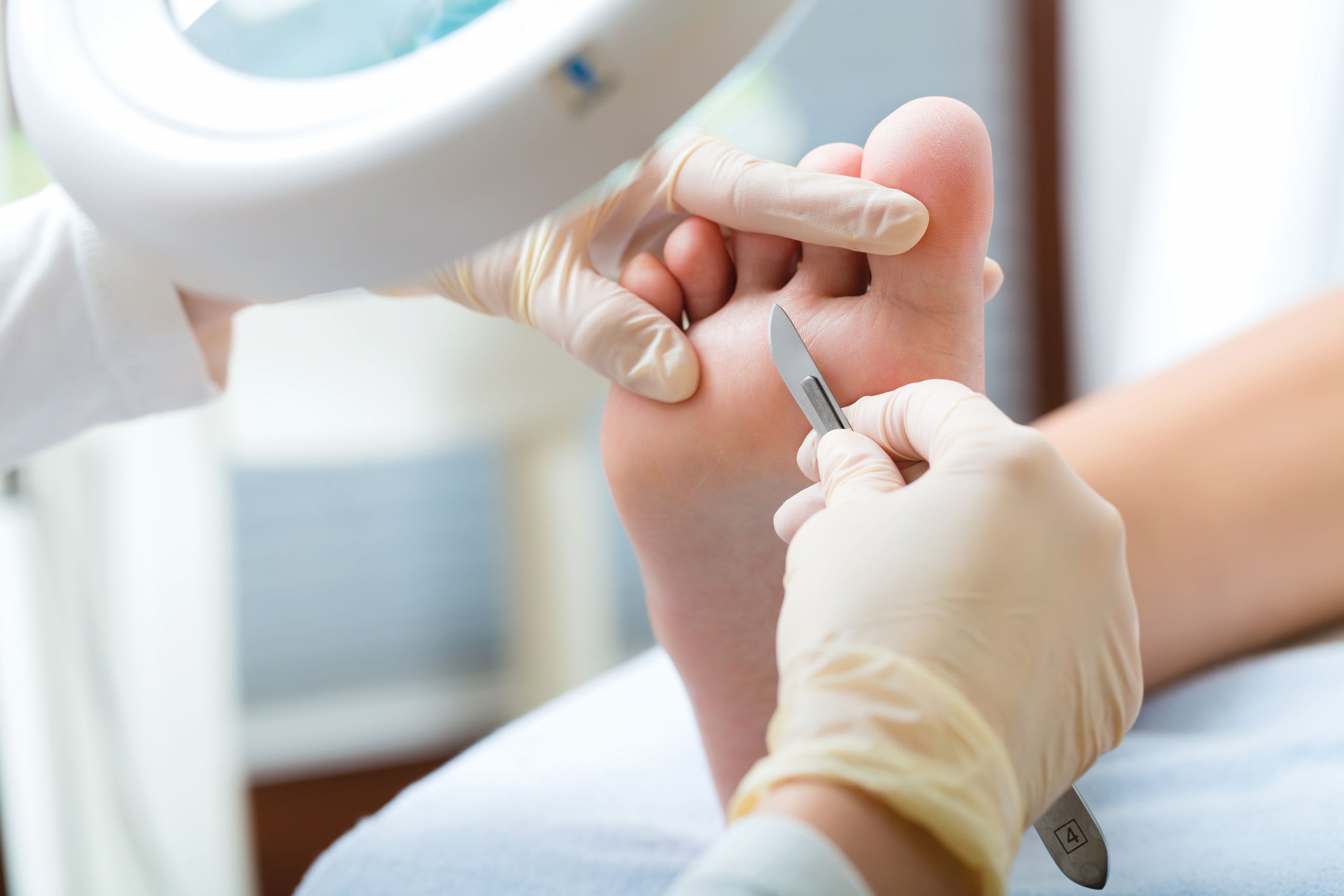
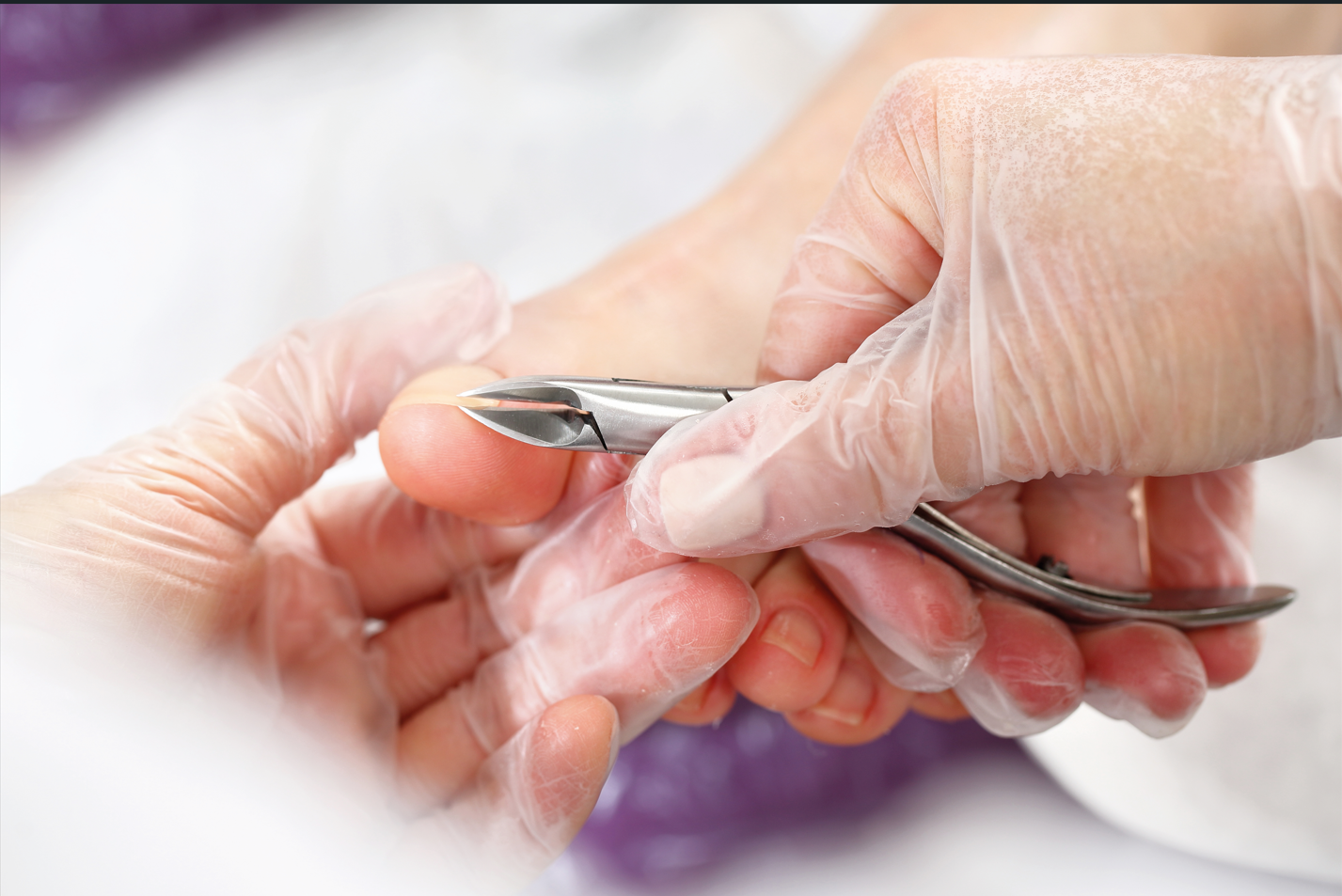
Podiatry is a healthcare profession concerned with the feet, ankles and lower limbs. Podiatrists assess, diagnose and treat a wide range of conditions affecting people of all ages.
Their work goes far beyond routine nail and hard-skin care. Depending on their qualifications and area of practice, a podiatrist may help with:
- Foot, heel and ankle pain
- Corns and calluses
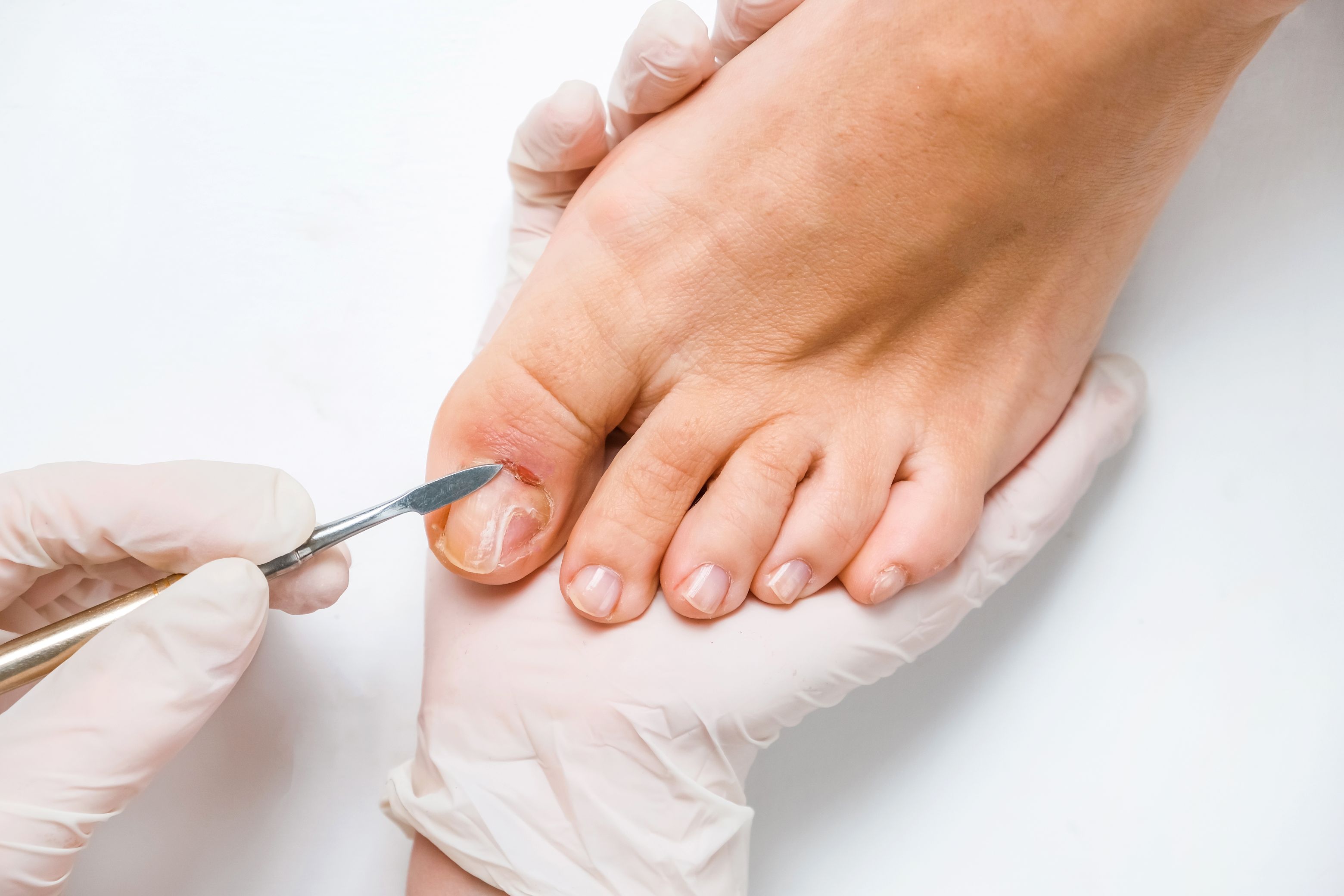
- Ingrown toenails
- Verrucae
- Foot and nail infections
- Sports injuries
- Changes to walking or gait
- Foot problems associated with diabetes
- Wounds and ulcers
- Footwear advice
- Orthoses and insoles
Podiatrists can also identify changes that may require further investigation or referral to another healthcare professional.
What is the difference between a podiatrist and a chiropodist?
In the UK, the terms podiatrist and chiropodist refer to the same regulated profession.
“Podiatrist” and “chiropodist” are protected professional titles. Anyone using either title must be registered with the Health and Care Professions Council (HCPC), which means they must meet recognised standards for training, professional skills, conduct and health.
You can check whether a podiatrist is registered using the HCPC online register.
Is a foot health practitioner the same as a podiatrist?
A foot health practitioner can provide routine foot care services, which may include cutting and filing toenails, reducing corns and calluses and offering general foot-care advice.
However, foot health practitioners and podiatrists do not have the same training or regulatory status. The titles “foot health practitioner” and “foot health professional” are not regulated by the HCPC, and practitioners’ qualifications and experience can vary.
Podiatrists complete an approved degree-level qualification and undertake supervised clinical training. They are qualified to assess, diagnose and manage a much broader range of foot and lower-limb conditions.
If you are unsure which type of practitioner you need, particularly if you have persistent pain, diabetes, poor circulation, loss of sensation or a wound that is not healing, speak to your GP or an HCPC-registered podiatrist.
When should you see a podiatrist?
You do not have to wait until a foot problem becomes severe before asking for help. Early advice may prevent a condition from becoming more painful or difficult to manage.
Consider consulting a podiatrist if you experience:
- Persistent or recurring foot, heel or ankle pain
- Pain that affects walking or everyday activities
- An ingrown or painful toenail
- Repeated corns, calluses or blisters
- Changes to the colour, shape or condition of a toenail
- A verruca that is painful, spreading or not improving
- Numbness, tingling or loss of sensation
- Changes to the way you walk
- A foot injury that is not improving
- A cut, blister, sore or wound that is slow to heal
- Concerns about your feet associated with diabetes or poor circulation
Seek prompt medical advice if you have a wound showing signs of infection, sudden severe pain, significant swelling or a foot that becomes unusually hot, cold or discoloured.
Regular foot assessments can also be helpful, particularly for people whose health, work or lifestyle places additional pressure on their feet. Read more about the benefits of an annual foot assessment.
How can a podiatrist improve your quality of life?
Healthy feet play an essential role in keeping us mobile and independent. When a foot problem makes standing or walking painful, it can affect much more than our feet. It may prevent us from exercising, working comfortably or taking part in activities we enjoy.
A podiatrist can investigate the cause of a problem rather than simply addressing its symptoms. Treatment may involve clinical care, exercises, footwear guidance, orthoses or advice on managing the condition safely at home.
The appropriate approach will depend on the individual, their health and the cause of the problem.
Why do people become podiatrists?
Podiatry gives healthcare professionals the opportunity to make a visible difference to people’s comfort, confidence and independence. We previously asked some of the podiatrists we work with what inspired them to enter the profession.
"My interest was from childhood when I heard stories of my family members who developed gangrene in a diabetic foot. This was in Kenya and resulted in Amputation. When the family moved to England, I developed verrucae myself and this was my 1st experience of the magic of the podiatry profession and a decision was made to pursue a career in Podiatric medicine."
Dr Bharti Rajput MBE PhD -Dundee and Cupar - Scotland
"I watched a podiatrist care for my Grandmother’s feet. She would go from hobbling to dancing and as a 7 year old I thought this was magic!"
Joli Beattie – Newbury Berkshire
Why is podiatry so important?
Podiatrists help people manage pain, maintain their mobility and continue doing the things that matter to them.
"Freedom to move from A to B in a comfortable way without having to rely on others is very important. Care of the lower limb is paramount!"
Lousie Hahn – The Foot Mechanic - Bristol
"Because #PodsFixFeet and you only get 1 pair of feet so they need to be looked after in the best way possible."
Johnathon Small – Southam Warwickshire
What makes podiatry rewarding?
For many podiatrists, the most rewarding part of their work is seeing how treatment can improve someone’s everyday life.
"The amazing thing about podiatry is the ability to keep patients pain free and mobile which gives me a amazing daily job satisfaction."
Aimee Bowater – Rugeley Staffordshire
"I feel very humble to have treated many service users over my years of practice. For example - sending one service user to A&E with a fracture and my last chap coming in with painful feet saying “I can’t believe what you have done, I am pain free after years… there is a god” This puts what we do as a day job into perspective."
Fiona Sunter – Halifax (recently retired and proud podiatrist)
International Podiatry Day
International Podiatry Day raises awareness of foot and ankle health and the value of podiatry worldwide. Marked each year on 8 October.
Celebrating podiatrists on International Podiatry Day
We would like to thank the podiatrists who work every day to protect foot health and help people remain comfortable, active and independent.
Simply Feet is part of Canonbury Healthcare, a specialist supplier to NHS and private podiatrists across the UK. Our close relationship with the profession helps us select foot care products that support people in looking after their feet between appointments.
Professional advice is always recommended if you have unexplained pain, persistent symptoms or concerns about your foot health. If you already know what you need, explore our foot-care range for products designed to support your everyday foot-care routine.
Posts