How to keep toenails healthy
- Sales Team
- Simply Feet Blog
- 18 Feb 2026 views
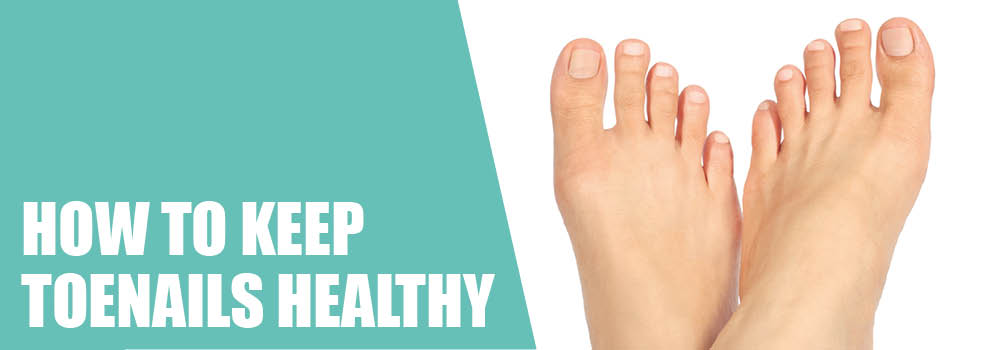
How to Keep Toenails Healthy
How to keep our toenails healthy is often a question asked of a podiatrist and foothealth specialists.
Here are several ways we can keep our toenails healthy, prevent discolouration, and infection and have them looking beautiful while wearing sandals this summer.
Benefits of Healthy Toenails
Having healthy toenails will make us feel better when wearing flip-flops or sandals; however, if we don’t keep our nails healthy they can cause us pain and discomfort impeding our walking and activities.
Prevention of Ingrown Toenails:
All toenails should be cut straight across at the end, with no rounding into the corners. Then filed to remove any rough edges. By rounding into the corners you have difficulty as the nail grows forward to see if you have removed all of the nail. Any nail left in the corners from poor cutting techniques can pierce the skin and cause an infection. Sometimes people have nails that curl inwards and pinch the skin underneath, if you have these types of nails and find it difficult to manage then file with an emery board and seek professional help. Professional help in nail cutting is always advised for people at risk of infection through being immuno-compromised, poor circulation, sometimes diabetics depending on risk status and people with poor mobility who can’t bend to reach their feet.
Reduced Risk of Fungal Infections:
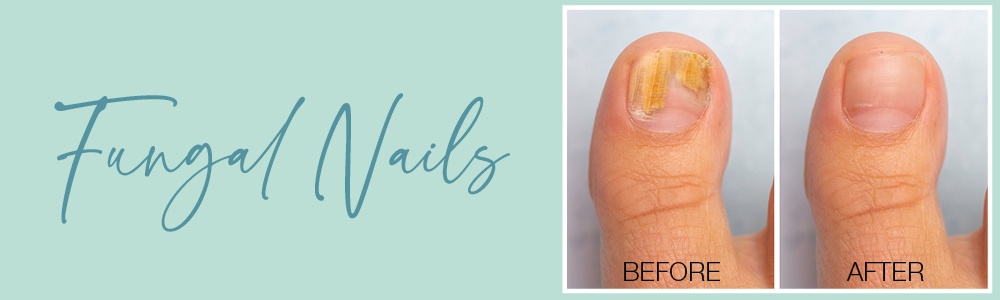
Fungal infections in the nails are closely linked to severe fungal infections of the skin (athlete's foot). To prevent fungal nails you need to look after your skin. If you have athlete's foot then treat the skin with an antifungal cream. However you also need to look at your footwear and hosiery as these could be the underlying cause.
Footwear should be made from natural fibres:
Ideally Leather or wool. Synthetic fibres make your feet sweat and in turn will make your shoes damp. Footwear should be alternated every 24-48 hours so that they are allowed to dry.
Socks and tights can also make fungal infections worse and should be selected with natural fibres where possible. When looking at socks try to get cotton-rich (more than 60%), bamboo or socks with silver as this will reduce the chance of a fungal infection.
Remember fungus likes warm, dark, moist places to grow, therefore sweating in an enclosed shoe can lead to fungal skin and nail infections.
Improved Foot Comfort:
Nails left long or not filed after cutting can lead to discomfort when walking through catching on socks and footwear. This pressure / constant catching on footwear can cause the nail to lift from the nail bed, making them a yellow colour. This isn't always a fungal infection but is caused through repetitive trauma.
Enhanced Foot Hygiene:
Washing your feet daily in warm water with soap will help to keep your skin and nails healthy. It isn’t recommended to soak your feet daily as this can cause the skin to dry from losing its essential oils. The drying of skin and nails can make them lose protection against fungal elements. Drying your foot with a towel once it has been washed is also essential as leaving a damp area between the toes can lead to athlete's foot.
Support for Overall Foot Health:
By looking after your nails this supports your general foot health by preventing ingrowing toenails and a possible infection. Washing your feet and nails helps to keep them looking in tip-top condition.
Tips for Healthy Toenails
1. Keep Toenails Trimmed
All toenails should be cut straight across at the end, no rounding into the corners. Then filed to remove any rough edges. Simply feet have many products that can help you achieve this.
2. Keep Your Feet Clean
Washing your feet either in the shower or bath with moisturising soap is adequate day to day. However, when your feet are tired you may want to soak them.
3. Keep Cuticles In Good Health
Cuticles should be carefully moisturised with cuticle oil / gel and not pushed back then trimmed. By pushing the cuticles back you could expose the nail bed (growth area) to a fungal or bacterial infection.
4. Keep Feet Moisturised
Daily wear and tear on our feet through heat, footwear and dampness can cause our skin's natural oils to diminish leaving us open to cracks and infections. Keeping your feet moisturised with a urea based cream will help to replenish the natural oils.
5. Let Your Feet Breathe and Expose Them To Sunshine
Although exposing your feet to the sunshine can lead to dryness and possibly sunburn if not protected, it is also good to help control sweating inside footwear which can lead to fungal infections of both the nails and the skin.

6. Wear The Correct Type Of Footwear
It is important to think of the activity we are doing and the footwear required. It is recommended to wear laced, buckled or velcro fastened footwear as this prevents you clawing your toes to hold the footwear on, and rubbing / blisters from your foot slipping about in the shoe. However there are times when this type of footwear may not be suitable, when going to the beach, going out for the evening.
7. Wear Moisture Wicking Socks
Socks containing natural fibres will automatically help with moisture in the feet from sweating. Cotton socks, about 60% - 80% rich in cotton, or wool socks will help to keep the feet warm in winter and then cool in summer. Bamboo is a natural ingredient added to socks to wick away the moisture and provide anti-microbial cover.
Our range of Thought socks contain wool and some also contain bamboo.
8. Don’t Share Nail Tools
Sharing of nail care instruments and towels at home can cross infect people in the household with fungal infections and also verrucae. Therefore it is important that you keep your own towel for drying your feet and your own instruments for cutting and filing your nails. This way you will keep your nails healthy.
9. Eat a Balanced Diet

Your diet can have a big role in keeping your nails healthy. Like in the prevention of heart disease and diabetes, your nails need you to eat a healthy balanced diet.
Fruits (blackberries, grapes and strawberries) and vegetables (green leafy vegetables, spinach, broccoli) can provide you with vitamins A & C, calcium and iron as well as antioxidants to make your nails strong. Milk and cheese is also a good source of calcium for your nails.
Almonds are a good source of protein and magnesium, eating protein from either nuts, seeds or meat is essential as your nails, (like your skin and hair) all require protein to make them healthy.
Avoid unhealthy foods as these weaken your nails and can cause them to split and break e.g. high sugar, high fat, fried foods.
Keep your toenails healthy all year round
Hopefully you now know how to keep toenails healthy all year round, and prevent the risk of any fungal infections.
Posts