
Diabetic Foot care Tips
- Marketing Team
- Simply Feet
- 2 Nov 2026 views
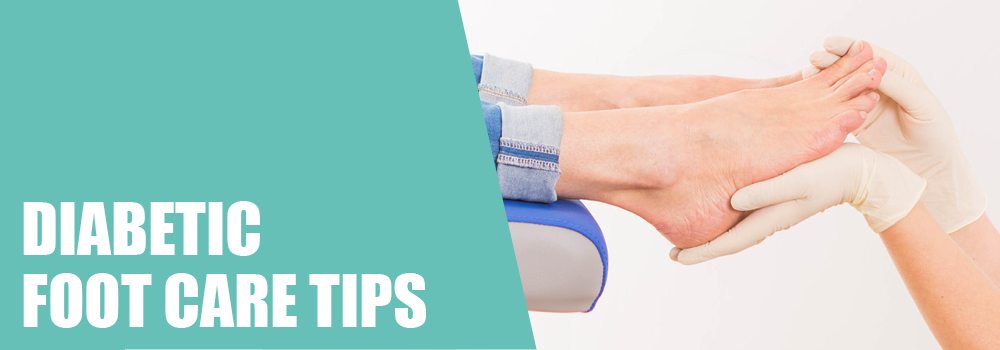
Diabetic foot care: everyday tips for looking after your feet
Looking after your feet is an important part of living with diabetes. A simple daily routine can help you spot changes early, care for your skin and reduce the risk of problems developing.
Whether you’re newly diagnosed or refreshing your routine, these diabetic foot care tips explain what to check, how to protect your feet and when to ask for help.
How Does Diabetes Affect your Feet?
Over time, raised blood glucose levels can damage the nerves and blood vessels supplying your feet. Nerve damage, known as peripheral neuropathy, may cause tingling, burning or reduced feeling. Poor circulation can make injuries slower to heal.
This means you might not notice a small cut, blister or area of rubbing. Checking your feet regularly matters even when they feel comfortable.
Common Foot Problems with Diabetes
Here are some common foot conditions that you may face as a diabetic:
Neuropathy
Diabetes can damage the nerves in your feet, causing numbness, tingling, or loss of sensation. This can make it challenging to detect injuries or sores and dull your pain perception. Some people experience burning or sharp, shooting pains in their feet due to neuropathy. These sensations can be uncomfortable and may worsen over time.
Poor Circulation
Diabetes can also affect blood circulation, reducing blood flow to the feet. This can result in slower wound healing, as decreased blood flow means that wounds, cuts, or ulcers on the feet may take much longer to heal. Insufficient blood supply also impairs the body's ability to fight off infections, so even minor injuries can become infected and lead to more serious complications.
Blisters and Ulcers
The combination of neuropathy, poor circulation, and reduced pain perception can create a perfect storm for blisters and foot ulcers. A foot ulcer is an open sore that can develop from minor injuries, pressure points, or friction such as a blister. These ulcers can be difficult to heal and may lead to more severe infections or even amputation if left untreated.
Diabetes Foot Care Tips

1. Check your feet every day
Look at the tops, soles, heels and spaces between your toes. A mirror can help you see underneath, or you can ask someone to help.
Check for broken skin, blisters, swelling and changes in colour or temperature. Pay attention to anything new, including changes you can see but cannot feel.
Contact your foot protection team or GP straight away if you notice a new wound, a hot or swollen foot, unusual colour changes or unexplained pain. These changes need urgent assessment, within 24 hours. If your usual team is unavailable, contact NHS 111. Do not wait for your next routine appointment.
2. Wash gently and dry thoroughly
Wash your feet daily with lukewarm water and mild soap. Check the water temperature with your elbow before putting your feet in, especially if you have reduced sensation.
Avoid soaking your feet, as this can dry out the skin. Afterwards, dry gently and carefully, particularly between your toes.
3. Moisturise dry skin
Apply a suitable moisturiser to dry skin, avoiding the spaces between your toes. Ask your healthcare professional which formulation suits your feet.
Options available from Simply Feet include:
-
Simply Feet 10% Urea Foot Cream, formulated with urea, olive oil and papaya to moisturise dry skin.
-
Akildia Multi Protective Cream for Diabetic Feet, designed for diabetic or fragile skin.
-
CCS Foot Care Cream, a moisturising option for dry skin.
Follow the product instructions. Akildia should not be applied to broken or injured skin. Creams support skin care; they do not replace professional assessment of a wound or foot problem.
4. Take care with toenails and hard skin
If you can safely manage your toenails, trim them carefully without cutting too short or digging down the sides. Smooth sharp edges with an emery board.
Ask a podiatrist for help if you have reduced feeling, difficulty reaching or seeing your feet, or troublesome nails.
Do not use blades or medicated corn and verruca removers on your feet. These can damage the skin. A podiatrist can advise on managing corns and hard skin safely.
5. Choose footwear and socks that fit comfortably
Well-fitting footwear helps protect your feet from rubbing and injury. Look for enough room around your toes, a secure fastening and a smooth interior. Avoid walking barefoot, including indoors.
Check inside your shoes before putting them on for small objects, damaged linings or rough seams. Choose socks that do not rub or leave tight marks, and replace worn pairs.
If you have reduced sensation or changes in foot shape, ask your podiatrist for advice on footwear and whether specialist insoles are appropriate.
Simply Feet stocks Vasyli Maximum Contact Pro Insoles. Discuss suitability with your podiatrist before changing insoles, particularly if you have neuropathy, poor circulation or a history of foot ulcers.
6. Attend your diabetes foot checks
Keep your scheduled foot checks, even if you have not noticed any problems. Your healthcare professional can assess sensation, circulation and your risk of developing complications.
Follow the review schedule recommended by your team, and seek advice sooner whenever something changes.


Your Daily Diabetic Foot Care Routine
To support your daily diabetes foot care routine, Simply Feet has a range of specialised products designed to care for and treat diabetic feet, ensuring they stay in excellent condition. Explore our complete selection on our Diabetes Foot care page.
Remember, everyone's feet are unique, and what works for one person may not work for another. It's essential to develop a personalised foot care routine in consultation with your healthcare provider. By following these foot care tips and staying vigilant about your foot health, you can minimise the risk of complications and enjoy a more comfortable and active life with diabetes just like many others around the world.
World Diabetes Day: raising awareness
World Diabetes Day takes place on 14 November, highlighting the importance of understanding diabetes and supporting those living with it. It’s also a useful reminder to give your daily foot care routine the attention it deserves.
Visit Diabetes UK’s World Diabetes Day page to learn about this year’s campaign, find useful resources and discover how you can help raise awareness.

Posts